
Small edits inside the allowance
A new team member, an updated service description, a swapped banner image, a seasonal promotion — the routine changes that keep a site current.
336 Smith Street, #06-302, New Bridge Centre, Singapore 050336
Mon–Fri, 9:00 AM – 6:00 PM
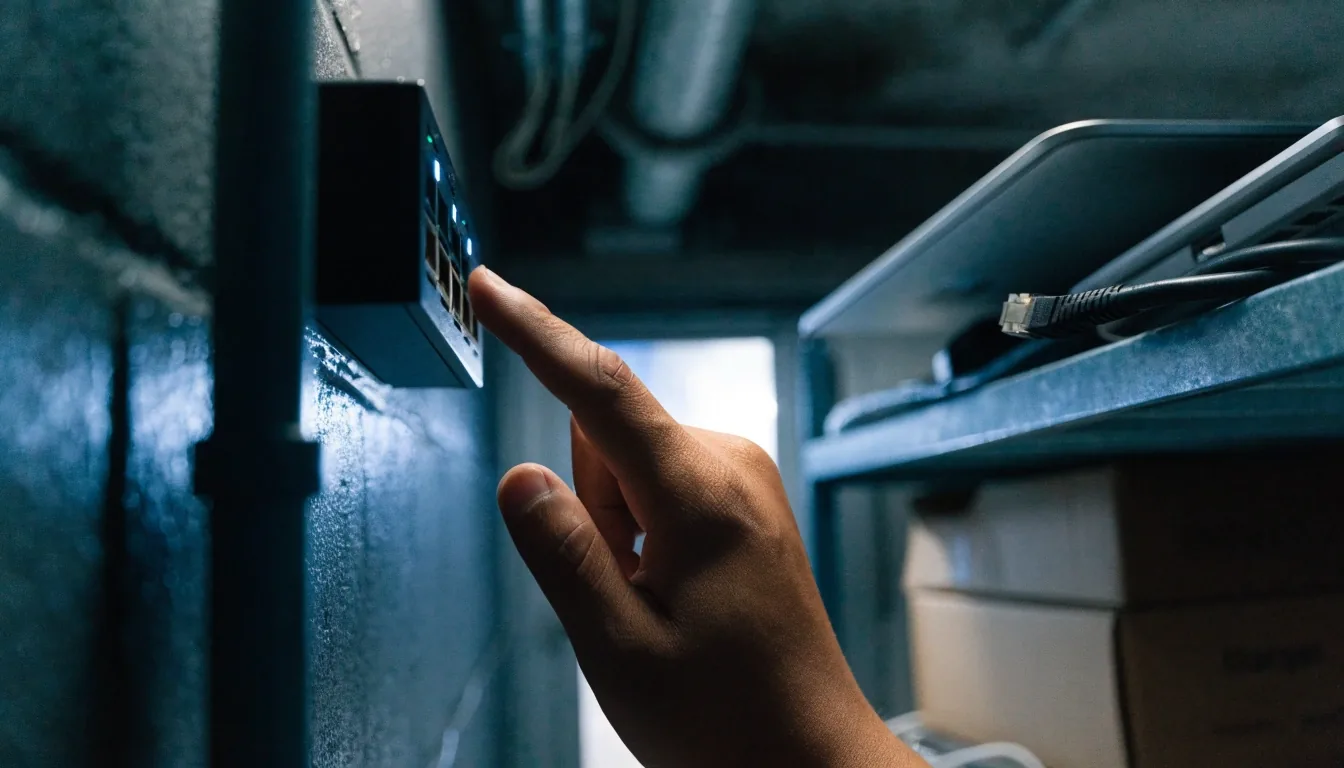
Ongoing website maintenance for corporate and ecommerce sites — updates, monitoring, backups and a monthly allowance for small changes, all on a schedule agreed in writing.
A typical arrangement covers core and plugin updates, security monitoring, backups, uptime checks, and a monthly allowance for small content changes. For stores, it also includes checking that checkout, payment, and order notifications still work after any update. We test changes on a staging copy before they reach the live site.
The point is to catch problems in a controlled environment rather than on a Friday afternoon with orders coming in. Website maintenance in Singapore works the same way whether your audience is local or overseas — the schedule does not change, only the volume of change.
Routine cycle, agreed in writing before work starts

Outdated components are the most common route into a website, and the fix is unglamorous: keep things current. We track updates for the platform, plugins, and any custom code, and apply them with a rollback path if something breaks.
For stores handling customer and payment data, this discipline matters more, not less. We do not claim a site can never be breached, and we will not sell you a security badge that means nothing. What you get instead is a written patch schedule, a record of what was applied, and a named contact when a security advisory affects your stack.
Performance monitoring
Speed affects both search visibility and conversion, and it slips away without an obvious moment of failure. We monitor loading behaviour and Core Web Vitals, and address the usual culprits: oversized images, unoptimised queries, and missing caching.
Edge services such as Cloudflare often help here, handling caching, DNS, and protection without changing the design. Performance work is usually a series of small fixes rather than one dramatic change — a compressed hero image this month, a query index next month, and the page quietly gets quicker.
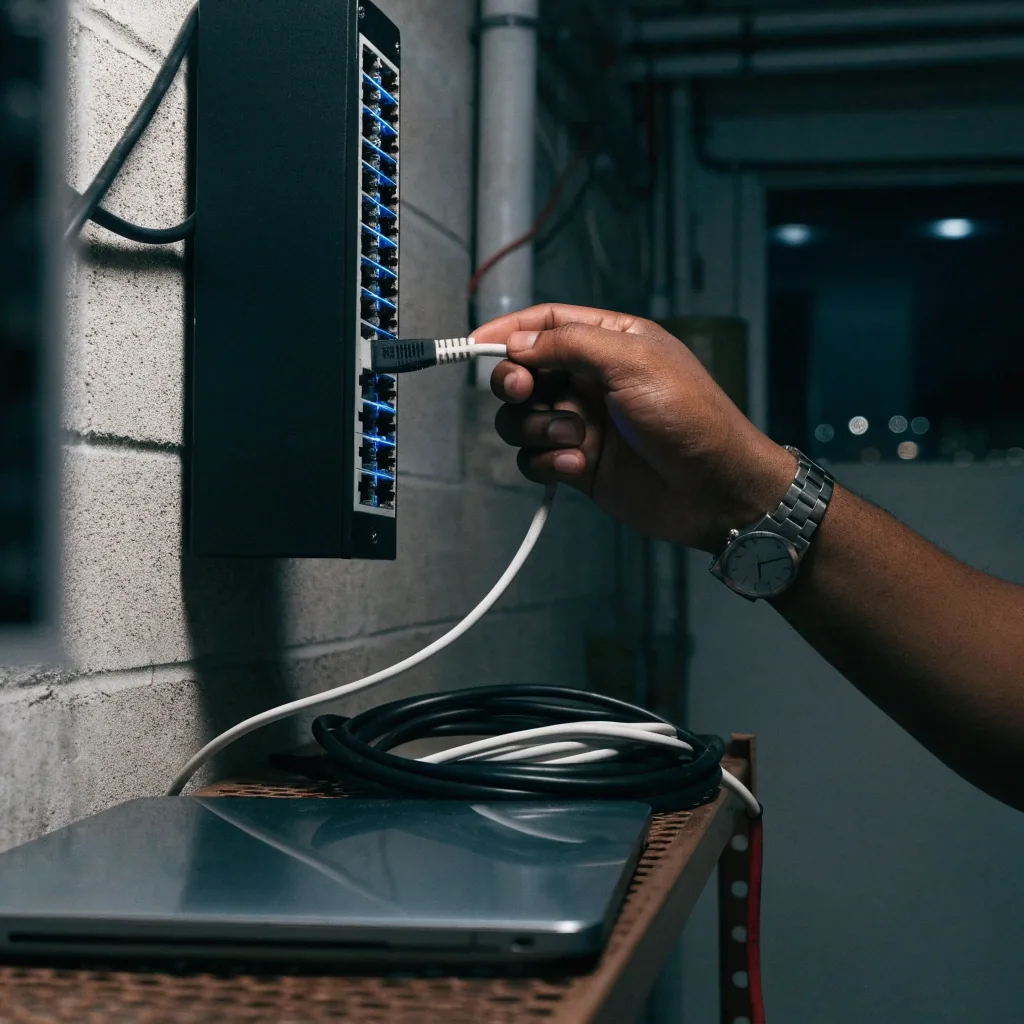
Checkout has to keep completing. Order notifications have to keep arriving. We check both as routine.
Stores have maintenance needs that corporate sites do not. Payment provider updates, shipping rate changes, tax rule adjustments, and catalogue imports all need attention. For stores selling across borders, we also review tax and shipping configuration when rules change.
These are checked on a routine rather than waiting for a customer to report a failure.
| Check | Ecommerce store | Corporate site |
|---|---|---|
| Checkout completion | Tested after every update | Not applicable |
| Payment provider changes | Tracked and applied with rollback | Rarely relevant |
| Tax and shipping rules | Reviewed when rules change | Not applicable |
| Catalogue and product edits | Covered inside the monthly allowance | Covered inside the monthly allowance |
| Backup frequency | Higher — orders change daily | Lower — content changes less |
Most clients need a steady trickle of small edits. A maintenance arrangement includes an allowance for these so you are not raising a purchase order for every text change.
Small edits inside the allowance
A new team member, an updated service description, a swapped banner image, a seasonal promotion — the routine changes that keep a site current.
Product and catalogue additions
New items added to a store, with category, pricing and stock fields set up so the listing behaves like the rest of the catalogue.
Larger additions, quoted separately
A new page section, an integration, a feature build or a redesign of a template. We will tell you which category a request falls into before any work starts.
Not sure which bucket your request sits in? Describe it and we will say so plainly.
Backups are only useful if they can actually be restored, so we test the recovery path rather than just scheduling the job. Frequency depends on how often your content or orders change; a store usually needs more frequent backups than a corporate brochure site.
We keep copies separate from the live environment. If something goes wrong, the goal is a known recovery point and a clear process, not a hopeful search for a recent file.

Support works better with visibility. You get a record of what was updated, what was checked, and what needs attention, so there are no silent months followed by a surprise invoice.
If we spot something outside the arrangement — a platform deprecation, a security advisory affecting your stack, a hosting limit you are close to — we raise it with a recommendation. You decide whether to act. No work happens without your approval.
Maintenance keeps a sound site running; it cannot fix a platform that no longer fits your business. If your store has outgrown its checkout, or your corporate site cannot support the content workflow your team needs, maintenance spending becomes waste.
We will say so plainly if that is the case. A rebuild is a bigger decision, and it should be made deliberately rather than through a slow accumulation of patchwork. If you want to see how we would approach one, our process page walks through the stages from discovery to handover.
Our ProcessArrangements are scoped by the level of change you expect and the criticality of the site. A brochure site needs less attention than a store processing orders daily. What we do not offer is an unlimited retainer with no boundary, because that arrangement serves nobody well.
We will propose a level that matches your actual usage and adjust it if the pattern changes. Terms are agreed in writing before work starts, so you know what is included, what is quoted separately, and who to contact when something looks wrong.
Short answers to the questions clients ask most often before they commit to a maintenance arrangement.
Often yes, after an initial review of the platform, custom code, and hosting setup. We need to understand what we are inheriting before committing to a support arrangement — that review is a short piece of work in its own right.
Updates, monitoring, backups, uptime checks, and a set amount of small content changes. Larger features are quoted separately. The exact allowance depends on your site's complexity and change frequency, and we set it once we know both.
We respond to site-down situations as a priority for clients under a support arrangement. Response expectations are agreed in the arrangement rather than promised loosely here, so both sides know what to expect.
Whether you are inheriting a site from another developer or looking at ongoing support for a store, start with a short description of what you have. We will come back with what a maintenance arrangement would cover and where the boundaries sit.
Oliveasia.com Pte Ltd
336 Smith Street, #06-302
New Bridge Centre
Singapore 050336